

The latest iPhone 18 leaks strongly indicate that Apple will unveil its first-ever foldable smartphone alongside the standard iPhone 18 Pro series in September. Frequently referenced in supply chain logs as the “iPhone Fold” or “iPhone Ultra,” this premium hybrid features a 5.5-inch outer cover display and a horizontally unfolding 7.8-inch internal panel. Powered by a next-generation 2nm A20 Pro processor and expected to retail north of $2,000, this hardware expansion aims to rewrite mobile multitasking by using a custom amorphous liquid metal hinge that completely eliminates the visible screen crease.
Introduction
The consumer electronics space has watched premium smartphone revisions settle into a predictable routine of minor hardware upgrades. Year after year, dominant manufacturers roll out slightly faster processors, marginal camera improvements, and minor battery capacity tweaks without altering the core interaction layout of the device. This standardized production cycle has left power users asking when the next true hardware transformation will occur.
That structural stagnation is about to shatter. A massive wave of iPhone 18 leaks stemming from global supply networks indicates that Apple is preparing the most radical product launch in the history of its mobile ecosystem.
Rather than focusing entirely on incremental updates for its traditional slabs, the tech giant’s primary research and development resources have shifted toward foldable form factors. This guide analyzes the architectural changes, component schematics, accessory indicators, and structural compromises revealed by the latest data drops.
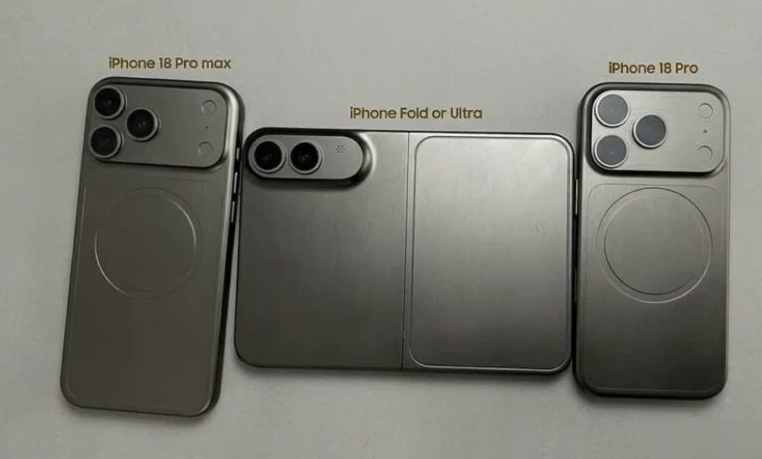
The Birth of the Apple Foldable: iPhone Ultra Explained
The absolute centerpiece of the recent iPhone 18 leaks is the arrival of a book-style folding layout designed to blur the line between phone and tablet utility. For half a decade, Apple watched competitors iterate through early hinge failures and display issues. The current component reports indicate that the company feels the technology has finally matured enough to meet its strict durability and aesthetic standards.
Rather than copying existing book-style form factors exactly, the leaked schematics describe a device focused heavily on wide, passport-like usability.
[5.5-Inch Outer Panel] ──> [Horizontal Hinge Unfold] ──> [7.8-Inch Near-Square Canvas]
Eliminating the Infamous Display Crease
The single biggest hardware claim floating through current supply lines is the creation of a nearly seamless inner screen. While existing foldables leave a noticeable valley down the center of the display, component suppliers note that Apple has pursued a crease depth under 0.15mm regardless of manufacturing costs.
Using specialized flexible OLED panel stacks from Samsung Display paired with a unique mechanical layer property, the screen layout flatten completely flat when opened, leaving no visible or tactile ridge.
Amorphous Liquid Metal Hinge Architecture
To support this seamless display alignment without sacrificing long-term durability, the mechanical frame relies on an advanced dual-axis hinge system. Stress-bearing internal parts utilize amorphous liquid metal configurations that resist warping and denting far better than traditional titanium alloys.
This extreme material engineering allows the phone to fold down to an ultra-thin 9.23mm when closed and drop to an incredible 4.7mm when unfolded.
The Return of Side-Mounted Biometrics
To achieve this thin profile and clear the inner display of large cutouts, Apple is making a few surprising design concessions:
- The Removal of Face ID: The complex TrueDepth camera array is completely absent from the inner display layout, replaced by a simple punch-hole lens.
- Side-Mounted Touch ID: Biometric authentication returns via a physical fingerprint sensor integrated straight into the sleep/wake power key, much like modern iPad Air models.
- Streamlined Camera Modules: The foldable discards the thick triple-lens camera module, opting for a streamlined dual-lens strip that keeps the chassis uniform.
Traditional Refinement: The iPhone 18 Pro Lineup
While the folding flagship commands the spotlight, the core iPhone 18 leaks also clarify what to expect from the traditional Pro configurations. For users who prefer classic, rigid structures, the new standard series serves as an evolutionary refinement centered on raw performance and lens control.
TSMC 2nm Process Implementation
The regular Pro models will serve as the commercial debut for Apple’s first 2nm system architecture, the A20 Pro. Moving down from older 3nm nodes allows the silicon layout to pack billions of additional transistors into a tighter footprint:
- Energy Conservation: Yields up to a 30% reduction in power consumption, extending active daily runtimes significantly.
- Processing Execution: Delivers a 10% to 15% jump in absolute computing speed for heavy local applications.
- Memory Capacity Expansion: Standard configurations shift to 12GB of unified RAM to easily process advanced localized AI multi-agent software.
Mechanical Variable Aperture Optics
On the photography front, the main 48-megapixel wide lens introduces a mechanical variable aperture framework. This allows professional content creators to manually adjust the physical lens blades to control light intake and natural depth of field, bringing true mirrorless camera capabilities to a pocketable device.
Step-by-Step Optimization for AI and Ecosystem Workflows
As revealed by structural firmware indicators inside the latest iOS builds, managing these high-performance components requires adapting your daily device configurations. Prepare your ecosystem for these upcoming shifts with these proactive configuration setups.
1. Optimize Shared Multi-Device UI Spaces
Prepare your digital workspace to take advantage of the expanded split-screen capabilities rumored for the folding inner display.
- Open your system cloud configurations and verify that your application handoff toggles are turned on.
- Organize your application folders into distinct productivity pairs to match the 4:3 aspect ratio layout of the unfolded 7.8-inch screen.
- Ensure your text sizes use responsive dynamic scaling options to prevent visual formatting errors when moving applications between the cover screen and the main internal canvas.
2. Set Up Localized Multi-Agent Task Automation
Configure your background intelligence preferences to run smoothly on the upcoming 12GB system architectures.
- Navigate to your privacy options and review your local data storage permissions.
- Turn on advanced text-processing tools to allow the device to build local contextual knowledge bases without routing personal documents to external cloud networks.
- Pre-set your communication priorities to let the next-generation localized voice engines screen inbound contacts efficiently.
3. Maintain Battery Lifespan Integrity Across Split Cells
Because the upcoming folding models use complex dual-cell battery layouts split across both halves of the chassis, proper charging routines are essential for preserving long-term battery health.
- Enable Optimized Battery Charging within your power configurations menu to let the system balance energy distribution safely.
- Avoid exposing the thin, unfolded frame to heavy processing strains while connected to high-wattage fast chargers.
- Use certified power bricks that support intelligent current negotiation to minimize thermal stress across the internal connection ribbons.
Common Hardware Deployment Pitfalls to Avoid
Transitioning to pioneering hardware form factors means adjusting your physical device habits. Keep these known design limitations in mind to avoid damaging your equipment.
Using Incompatible Magnetic Mounts on First-Gen Frames
Early accessory leaks from top case manufacturers like iFunSmart indicate that the ultra-thin folding model may omit the built-in MagSafe internal magnetic ring to shave fractions of a millimeter off the chassis thickness. Attempting to attach heavy magnetic wallets or car mounts directly to the bare glass back panel could result in dropped devices. Always pair the hardware with a dedicated, magnet-integrated protective case to ensure secure attachment.
Forcing Untrained Objects Near the Folding Screen Axis
Because flexible OLED materials require a soft protective top layer rather than rigid Gorilla Glass, the inner screen remains vulnerable to sharp objects. Closing the device while a stray charging cable tip, coin, or grain of sand is resting on the inner display can puncture the underlying matrix. Get into the habit of glancing at the internal canvas before snapping it shut.
Straining the Structural Hinge Beyond Flat Alignment Limits
The amorphous liquid metal mechanical hinge is engineered to click into a perfectly flat 180-degree position. Trying to force the display past its intended extension limits or applying reverse pressure can warp the micro-gear synchronization tracks inside. Always handle the display within its specified structural boundaries to preserve the crease-free look.
Next-Generation Premium Smartphone Comparison
The comparison matrix below details the structural variations across the expected flagship lineup based on the current collective iPhone 18 leaks.
| Architectural Feature | Traditional iPhone 18 Pro | Flagship iPhone 18 Pro Max | Upcoming Foldable Flagship |
| Primary Form Factor | Rigid Compact Slab | Rigid Large Display Slab | Horizontal Book-Style Fold |
| Main Screen Real Estate | 6.3-Inch LTPO+ OLED | 6.9-Inch LTPO+ OLED | 5.5″ Cover / 7.8″ Foldable Canvas |
| Biometric Security | Narrow Dynamic Island Face ID | Narrow Dynamic Island Face ID | Side-Mounted Power Button Touch ID |
| Rear Optics Array | Triple 48MP (Variable Aperture) | Triple 48MP (Teleconverter Zoom) | Dual 48MP Wide & Ultrawide Array |
| Internal Memory Tier | 12GB Unified RAM | 12GB Unified RAM | 12GB Unified RAM |
| Estimated Base Price | Starting at ~$1,100 | Starting at ~$1,200 | Starting at $2,000+ |
Pros and Cons of the Leaked Apple Lineup
Pros
- Unprecedented Screen Real Estate: The 7.8-inch inner canvas folds up easily, letting you carry a full-sized tablet workspace in a standard pocket footprint.
- True Crease-Free Design: The liquid metal hinge architecture removes the distracting central line that has held back older folding devices.
- Advanced 2nm Processing Nodes: The A20 Pro chip delivers a great blend of high-speed performance and efficient, cool operation.
- Pro-Level Variable Aperture: Traditional Pro models gain adjustable lens blades, offering outstanding creative depth control for mobile photographers.
Cons
- Substantial Entry Pricing: The first-generation folding model requires a major financial investment, with base models expected to start above $2,000.
- Loss of Telephoto and Face ID: The ultra-slim folding frame cuts out the dedicated zoom lens and the iconic Dynamic Island Face ID array to save internal space.
Frequently Asked Questions
What do the latest iPhone 18 leaks reveal about a foldable model?
The leaks show that Apple is on track to debut its first book-style foldable smartphone, likely named the iPhone Ultra, in September alongside its traditional premium updates.
What are the expected display sizes for the folding iPhone?
Component logs describe a compact 5.5-inch outer cover screen that unfolds horizontally into a large, 7.8-inch near-square workspace with a 4:3 aspect ratio.
Will the foldable iPhone feature a visible screen crease?
No. Supply chain tracking indicates that Apple developed an advanced liquid metal hinge setup that reduces the central fold depth down under 0.15mm, creating a smooth, crease-free display.
Why is Face ID missing from the leaked foldable schematics?
To achieve an ultra-thin 4.7mm unfolded profile and maximize screen space, Apple replaced the complex TrueDepth array with a side-mounted Touch ID fingerprint sensor in the power key.
What processor powers the upcoming iPhone 18 series?
The entire premium lineup runs on the upcoming A20 Pro system architecture, which is manufactured using TSMC’s advanced 2nm node process for superior energy efficiency.
What are the main design changes on the traditional iPhone 18 Pro?
The standard Pro variants stick to a familiar design layout but add a refined rear glass finish, a 35% narrower Dynamic Island cutout, and an updated Dark Cherry titanium color option.
What is a mechanical variable aperture camera?
It is a system that allows photographers to manually adjust the physical lens blades on the main 48MP camera, providing precise control over light intake and background blur.
Does the leaked folding iPhone support MagSafe charging accessories?
Retail case renders suggest the device itself may omit internal MagSafe magnets to save space, meaning users will need specialized cases to use magnetic accessories.
How much will the new folding iPhone cost at launch?
Given the expensive liquid metal components and flexible OLED panels, early rumors indicate the premium model will carry a starting price tag north of $2,000.
When is the official launch timeline for these new models?
Apple is expected to follow its traditional release schedule, officially unveiling the entire lineup during a dedicated keynote presentation in mid-September.
Final Verdict
The sweeping collection of iPhone 18 leaks confirms that Apple is finally ready to jump into the foldable market with a highly polished design. By holding back until it could solve the issue of the visible screen crease and perfect a thin, durable chassis, the company’s upcoming flagship is poised to make a massive splash in the industry.
While classic users will find plenty to love in the refined, 2nm-powered Pro variants, the true headline story is the arrival of the folding form factor. It marks a bold new chapter for the ecosystem, offering power users an incredibly versatile mobile workspace that shifts effortlessly between a phone and a tablet.
Technical Resources and References
Internal Links
For a deeper dive into our architectural components, view our related breakdowns:
External References
Review official reports and supply chain tracking logs directly from trusted industry chroniclers:
- MacRumors Comprehensive Analysis: https://www.macrumors.com/roundup/iphone-fold/
- India Today Retail Leak Tracking: https://www.indiatoday.in/technology/news/story/iphone-ultra-case-leak-design-dual-cameras-2919206-2026-05-29
- Cashify System Specification Summary: https://www.cashify.in/iphone-18-pro-and-18-pro-max-launch-date-price-all-specs

- 5 Smart Ecosystems: Best Smart Home Devices for Seamless Flow - June 2, 2026
- 10 Smart Choices: Top AI Productivity Tools for Workday Success - June 2, 2026
- 5 Smart Choices: Best Budget Smartwatch Models for Hitting Goals - June 2, 2026